Gravel Gardening
What are the benefits of planting in gravel?
- Once established plants will not need watering
- Less maintenance - weeding is greatly reduced
- Mediterranean type plants will survive and thrive even through wetter winters
- Huge benefits for wildlife and biodiversity

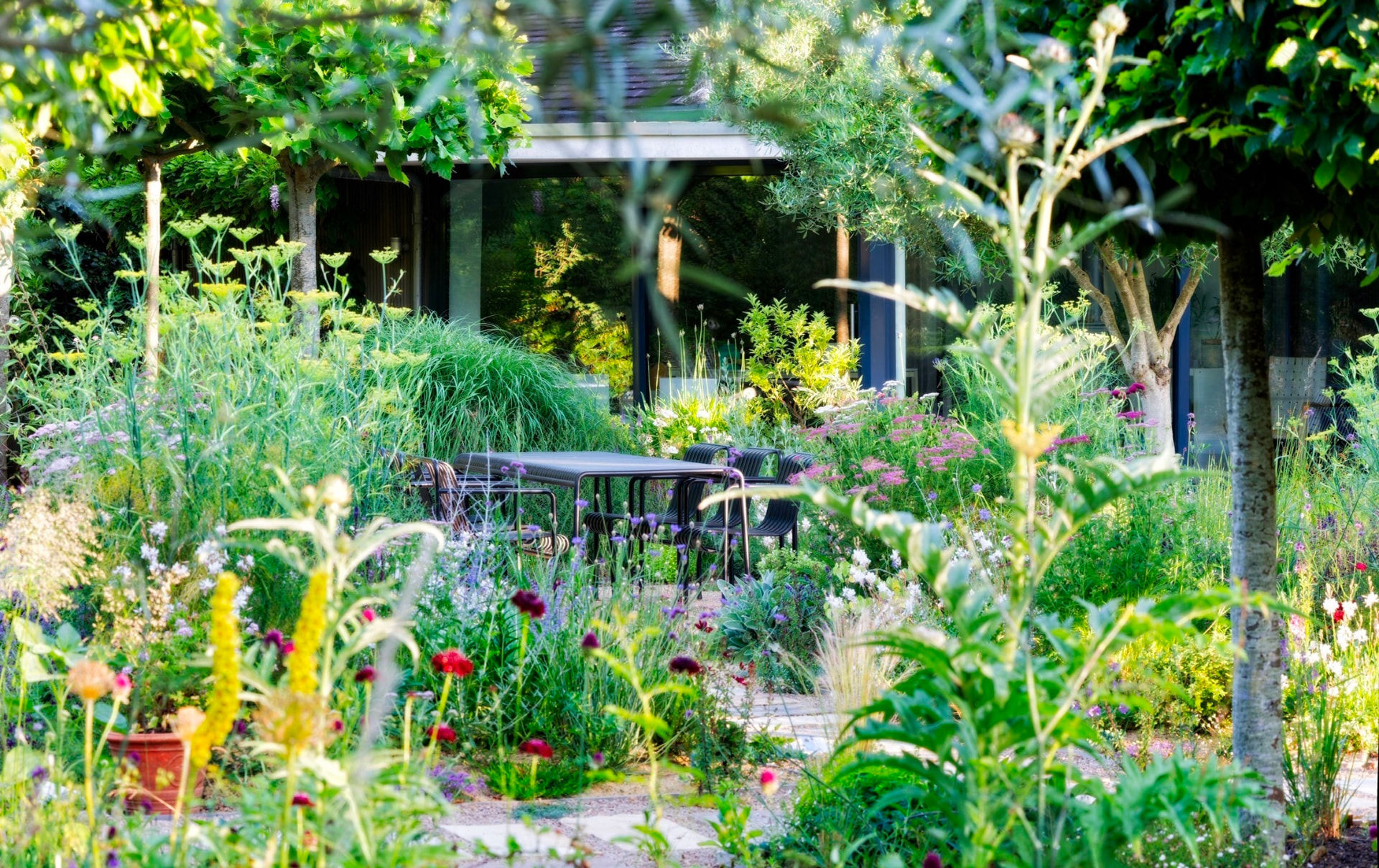
Your garden
Are you uncomfortable with having to water your garden constantly during endless dry periods? Are you tired of constantly weeding your beds to keep them looking good? Are you frustrated by buying plants you love only to find they don't survive the wet winters? Do you find that you don't see as many insects or birds as you used to? If your answer to these questions is yes then maybe you should consider incorporating a gravel garden in to your plans
Our service
After a chat we will tell you if a gravel garden will work for you and then we can create a plan to transform your space. It doesn't have to be gravel, it can be sand or other mineral aggregates and will achieve the same results
PLANTING WITH GRAVEL
Beth Chatto's garden in Essex was established in 1960 and has a large hugely successful gravel garden. This approach has recently been adopted to the neighbouring Chattowood housing estate and the Albert roundabout in Colchester. Other well known gravel gardens are the Dry garden at RHS Hyde Hall, Delos at Sissinghurst, Knepp walled garden, and the sunken garden at West Dean which uses sand as a medium. Matthew Wilson, Andy Sturgeon and Sarah Price have all exhibited gravel gardens at Chelsea and all won Gold medals with great success
HOW IT WORKS
Planting through a 100mm layer of sand or gravel means that the roots of the plant have to go deeper to obtain the nutrients and moisture they require. The sand/gravel layer traps moisture below it in the soil and reduces evaporation, so the plants have better access to water, and the longer root systems mean that even in times of drought the plants can access moisture. The aggregate layer deflects sunshine, so keeping the soil below cooler - think of digging a hole in a beach on a sunny day, the sand just two inches below the surface is cool and moist. Plants tend to be more compact as the soil is less fertile, resulting in greater flowering and resistance to wind and flopping. The result is virtually no irrigation, no expensive mulches or fertilisers, up to 80% less work, increased biodiversity and a beautiful garden.